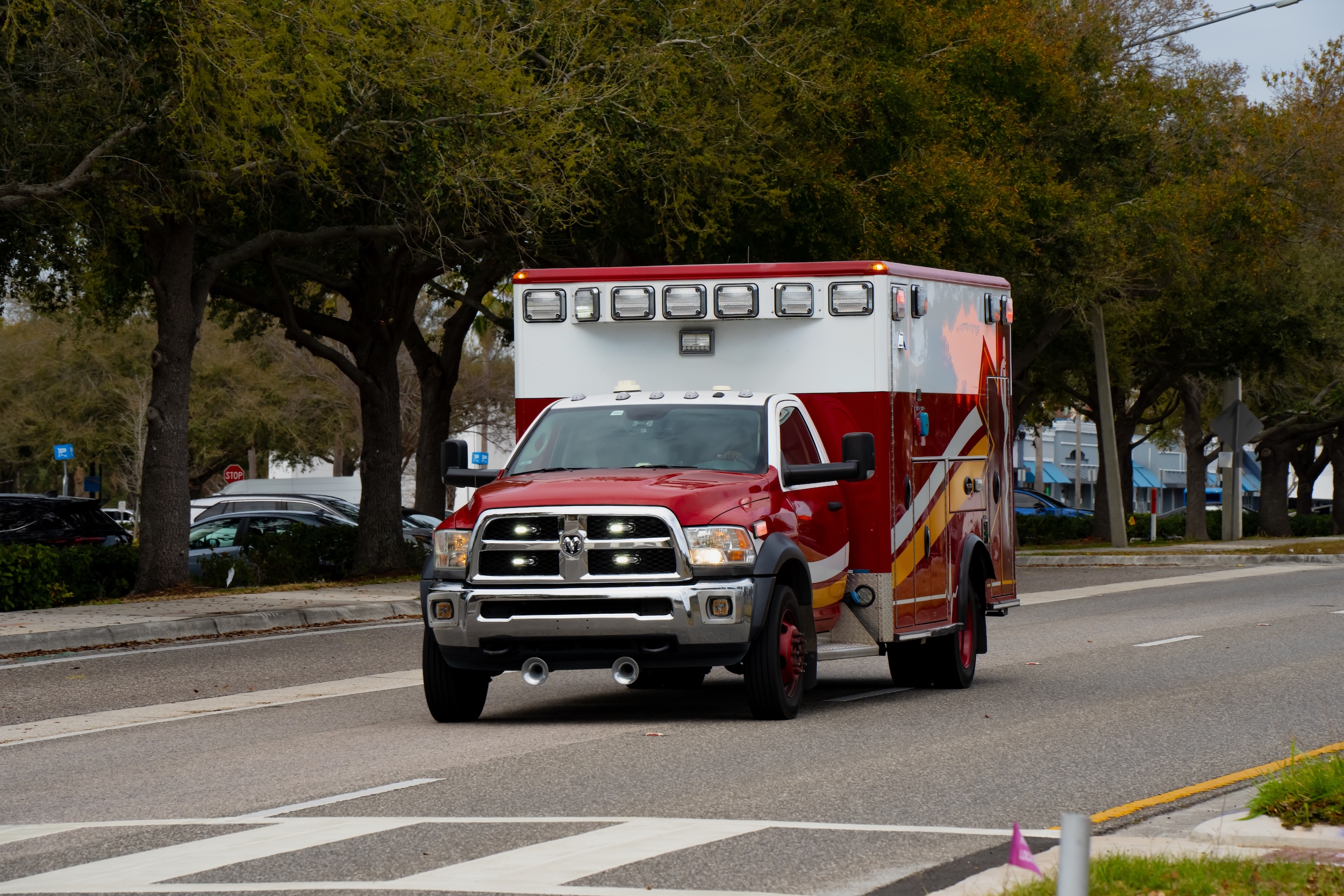
A paramedic supervisor arrives at a cardiac arrest call at two in the morning in the middle of January. The monitor powers on with full battery health, the medication kit remains at optimal storage temperature, and the airway bag deploys smoothly from the curb-side door. Every single successful outcome traces directly back to vehicle planning decisions made during the initial build. Purpose-built EMS storage solutions transform a standard response cab into an organized, climate-regulated platform where every diagnostic tool, kit, and medication has a secure, designated home.
For EMS chiefs and fleet managers planning their next vehicle upfit, cab storage directly supports clinical performance. A well-designed interior layout protects medication stability, ensures immediate device readiness, keeps crews safe during emergency transit, and maintains full compliance for controlled substances.
What Are EMS Storage Solutions?
EMS storage solutions are dedicated systems engineered to organize, protect, and secure critical medical gear inside a response vehicle. In non-transport units such as fly cars and supervisor pickups, that gear rides in the crew cab, which doubles as the unit’s central operational hub. To keep everything organized, a complete system combines a heavy-duty steel cargo deck bolted over the rear floor, smooth slide-out drawers for jump kits, an ergonomic center console for communications, and a dedicated locking compartment for regulated medications.
Each component is engineered for a specific truck platform and bolts directly into the factory seat and restraint anchors, which preserves the vehicle cab and keeps installation straightforward. Each of these components is engineered for a specific truck platform, so it bolts directly into the factory seat and restraint anchors. That approach preserves the vehicle cab and keeps installation fast and straightforward. This tailored fit gives every life-support tool an exact, permanent location that responders can access instantly by muscle memory in low-light conditions.
5 Reasons Why In-Cab EMS Storage Solutions Matter
Emergency medical assets require precise temperature regulation, structural protection, and strict regulatory compliance. Integrating purpose-built EMS storage solutions directly within the climate-controlled crew cab satisfies every operational requirement through five key advantages:
1. Climate Control Protects Medications and Battery-Powered Devices
Exterior compartments and truck beds track ambient conditions, which puts epinephrine, analgesics, and IV fluids outside their labeled storage ranges for much of the year in most climates. Moving the drug kit into the cab places it in the same conditioned space as the crew, where temperature excursions are easier to prevent and easier to catch during routine checks.
Diagnostic electronics and mechanical CPR devices thrive under these same stable conditions. Lithium-ion batteries in advanced cardiac monitors and automated compression units perform best at moderate temperatures, while extreme heat or cold can drain capacity and slow startup. Storing these vital systems on an in-cab deck helps ensure immediate startup and reliable power delivery the moment a crew arrives on scene.
2. Clinical Zoning Puts the Right Gear Within Reach
On the most serious calls, crews need fast, intuitive access to essential life-support tools. Clinical zoning organizes the cab by call priority and situational frequency, positioning airway kits, oxygen cylinders, and cardiac monitors for rapid curbside deployment away from active traffic lanes.
This intentional layout establishes an intuitive workflow throughout the vehicle. Primary response bags rest directly inside the passenger-side door for instantaneous deployment, secondary supplies and mass-casualty kits slide smoothly out of organized storage drawers, and command tablets remain within easy arm’s reach inside the center console.
3. Steel Decking Secures Dense, Top-Heavy Medical Loads
When you pack a response truck for a full shift, the weight adds up quickly, with most of it concentrated in a small footprint. A loaded cardiac monitor, an oxygen cylinder with regulator, an advanced life support drug kit, and a mechanical CPR device together place around one hundred pounds of gear directly behind the front seats. In a crash scenario, this weight can quickly turn dangerous.
Reinforced fourteen- and sixteen-gauge steel decks with raised perimeter walls provide a level, solid foundation that holds heavy cases securely in place during emergency maneuvers. Bolting equipment to dedicated structural anchors satisfies established safety standards for passenger compartment cargo, keeping life-saving gear firmly locked in position while protecting crew members across sharp turns and sudden stops.
4. Non-Porous Surfaces Simplify Decontamination
On a typical call, vehicles and equipment can come into contact with blood, bodily fluids, and other biohazards. Bloodborne pathogen safety standards require crews to clean those exposures thoroughly before the next run, so every surface in the cab must hold up to potent chemical disinfectants and come clean quickly.
Because industrial powder coating seals the steel in a smooth, non-porous finish, contaminants have nowhere to settle and the deck wipes clean in moments. Crews can apply common medical disinfectants and bleach solutions directly to the deck surfaces, allowing units to complete turnaround quickly and remain ready for service.
5. Locked Steel Drawers Support Controlled Substance Security
Paramedic supervisors and advanced life support fly cars routinely carry Schedule II and IV controlled substances for pain management and severe emergencies. Because these medications carry a high potential for misuse, federal regulations and state pharmacy boards require agencies to keep them in securely locked, substantially constructed storage and to document every hand-off through a clear chain of custody.
A portable lockbox can be carried off with the medications still inside, so many agencies turn todual-locking steel storage compartments anchored directly to the vehicle. With the vault fixed in place and built to resist tampering, regulated medications stay secure whether the truck is parked at the station or idling on scene. The setup helps agencies meet state and federal security requirements, and authorized clinicians can still reach the medications the moment a patient needs relief.
Who Benefits from an EMS Vehicle Upfit?
Dedicated in-cab EMS storage solutions deliver clear clinical, operational, and safety advantages for any emergency agency using pickups as response vehicles. When first responders require immediate access to diagnostic equipment, specialized kits, and incident command tools the moment wheels stop, a tailored cab layout creates a predictable, efficient workspace. Several frontline operational divisions experience exceptional value from a specialized in-cab upfit:
- Paramedic supervisors and EMS chiefs: These units carry the broadest mix of gear, from ALS kits and controlled substances to command tablets and radios, so organized zoning keeps every role covered from one cab.
- ALS fly cars and quick-response vehicles: Non-transport units arrive first and work alone until the ambulance pulls in, which makes instant access to the airway bag, monitor, and oxygen essential.
- Fire department medical and command units: Fire-based EMS programs benefit from secure monitor storage and a console-based command center that supports incident management on mixed-discipline scenes.
- Industrial, oilfield, and mine-site medics: Remote operations face extreme temperatures, rough two-track roads, and MSHA oversight, all of which call for climate-protected, fully secured cab storage.
- Municipal, park district, and search and rescue teams: Government and backcountry responders cover large territories and need durable, organized cabs that stay ready through long shifts and varied terrain.
How to Choose the Right Partner for EMS Storage Solutions
The partner who builds your storage system will shape how your crews work every shift for the life of the vehicle, so the choice deserves as much scrutiny as the trucks themselves. Start by asking whether a manufacturer designs its systems for your exact truck platform, matching the cab dimensions and factory mounting points of the vehicles in your fleet. This precision engineering preserves vehicle integrity and shortens turnaround times in the shop.
Next, look closely at materials and regulatory experience, since both determine how well a system holds up over years of service. Partnering with manufacturers who utilize heavy-gauge powder-coated steel ensures your storage systems withstand rigorous daily operations while satisfying occupational transport safety guidelines. Working with experienced, responsive manufacturers provides your agency with documented safety standards, dependable technical support, and precision-built hardware that serves your frontline crews reliably for years.
Build a Mission-Ready Response Cab with the Right EMS Storage Solutions
Successful emergency outcomes depend on reliable tools that deploy smoothly, maintain proper temperatures, and stay secure on every run. Purpose-built EMS storage solutions turn standard crew cabs into professional, resilient response platforms that elevate provider safety and patient care.
Once you’ve mapped your gear layout against your clinical workflows and vehicle specifications, you’re ready to bring in an expert. Connecting with a certified upfit specialist allows your agency to integrate heavy-duty cargo decks, slide-out trays, and secure consoles into a cohesive system that keeps your equipment protected and your personnel mission-ready on every call.